Breakthroughs in CRISPR Technology
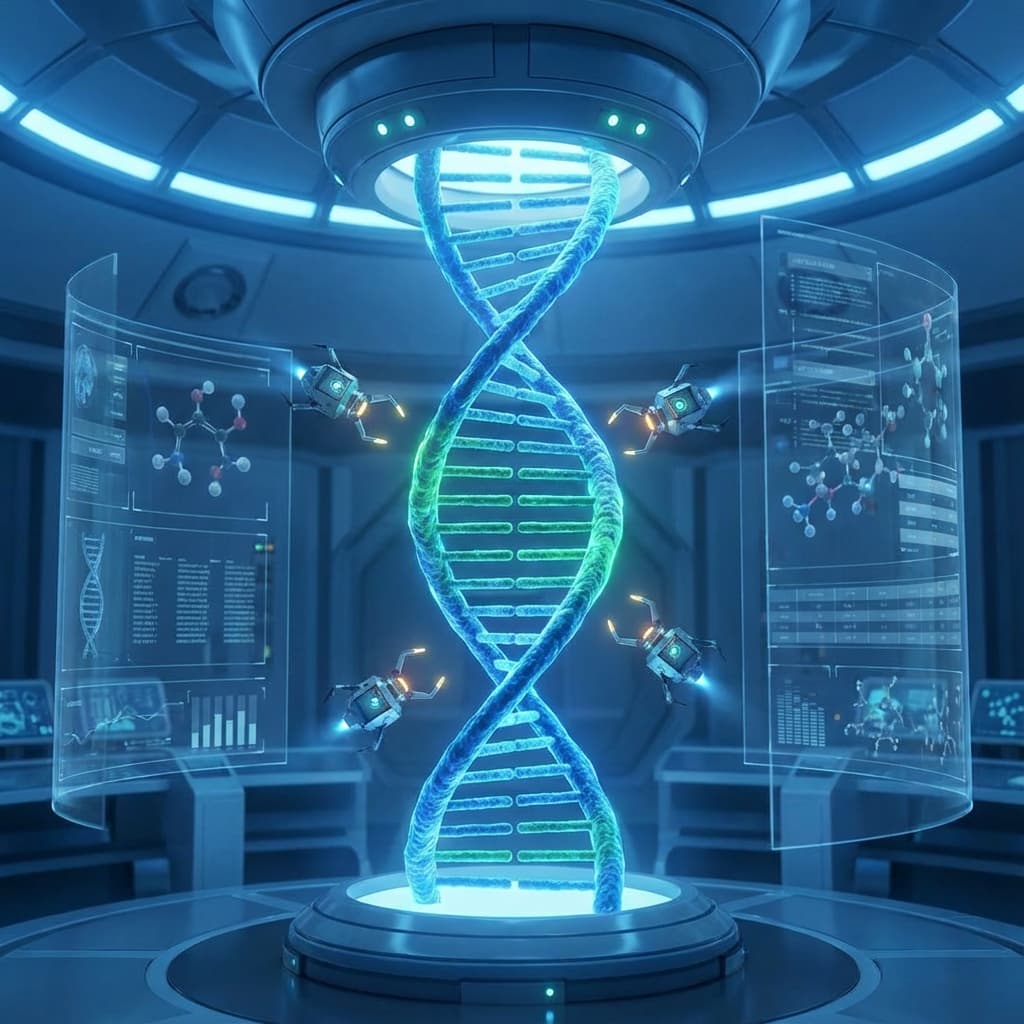
Gene editing has moved from theoretical possibility to clinical reality. As we close out 2025, CRISPR technology has matured into a precise, life-saving tool, fundamentally changing our approach to medicine and agriculture. The days of "blunt instrument" genetics are behind us.
Precision Medicine 2.0: Prime Editing
The "cut and paste" era of early CRISPR is over. We have entered the age of "Prime Editing"—a "search and replace" technology that allows for rewriting DNA without causing double-strand breaks. This year, FDA approvals expanded to cover not just sickle cell disease, but also specific forms of muscular dystrophy and cystic fibrosis. Clinical trials are now showing 95% efficacy in correcting the genetic mutation responsible for Tay-Sachs disease, offering hope where there was previously none.
This precision reduces the risk of "off-target" effects—unintended edits to other parts of the genome—to near zero. It is the safety profile that regulators have been waiting for, opening the floodgates for new therapies.
The Agricultural Revolution
Beyond human health, CRISPR is reshaping our food systems. With climate change altering growing seasons, scientists have engineered "Climate-Smart" crops. We now have drought-resistant wheat that requires 40% less water and rice varieties capable of fixing their own nitrogen from the air, drastically reducing the need for synthetic fertilizers. These aren't just lab experiments; they are being harvested in fields across South Asia and Africa today.
Furthermore, we are seeing the development of crops with enhanced nutritional profiles—tomatoes with high levels of Vitamin D and "Golden Rice" 2.0. This bio-fortification is a critical tool in the fight against global malnutrition.
The Ethics of Germline Editing
With great power comes great responsibility. The global scientific community has ratified the "2025 Accord on Germline Editing," establishing strict red lines against non-therapeutic enhancements. The focus remains steadfast on curing severe hereditary diseases, ensuring that this technology bridges the health gap rather than widening the inequality gap. The debate is ongoing, but the consensus is clear: we edit to heal, not to enhance.